

Walking: Trim your waistline, improve your health
March 4, 2026
You don’t need fancy equipment or hours; simple moves in a familiar gym space can shift your entire day. Yes, physical activity helps manage acute stress effectively. Let’s explore how exercise helps manage stress, the most effective stress-relieving activities, and practical ways to incorporate movement into daily routines. Exercise is one of the most effective natural stress relievers. It boosts feel-good endorphins and provides a welcome distraction from daily worries.
Exercise tips for stress
Walking sends you in a meditative state, which helps to calm the mind and promote relaxation. Regular walking can help you sleep better and improve your work productivity. Even without formal meditation and controlled breathing, the gentle muscle stretching of yoga can reduce stress.
Psychological distress common in heart attack survivors
That’s why the American Diabetes Association recommends that people with diabetes manage their carb intake by counting carbs and being aware of how many they need for daily activities. Any activity that gets you up and moving — regardless of the intensity — beats a sedentary lifestyle. Blood sugar management is especially important for people with diabetes, as the condition may lead to limb and life threatening complications. When you are feeling a bit jittery, try placing your feet flat on the floor, whether you are sitting or standing, says Martinez. “At Mindful Schools, we find that this is a helpful practice for children when they are feeling overwhelmed,” says Beach.
Deep Breathing Techniques for Instant Calm
Diet and exercise changes can help with maintaining weight as well as preventing blood pressure and other health problems. Losing even 10 pounds may help lower your overall blood pressure. Studies have shown that reducing sodium intake improves both systolic and diastolic blood pressure linearly, meaning the more you lower sodium intake, the more blood pressure decreases. A 20-year study suggests that long-term adherence to a Mediterranean diet is linked to lower systolic and diastolic hypertension. Improved blood pressure relies on consistent application of the diet.
Meditation
You’re not alone in this; so many of us are searching for ways to hit the reset button without adding more to our plates. It’s not about becoming a gym rat or running marathons; it’s about simple, everyday movements that melt away tension and bring back a sense of calm. Many forms of exercise reduce stress directly, and by preventing bodily illness, exercise has extra benefits for the mind. Regular physical activity will lower your blood pressure, improve your cholesterol, and reduce your blood sugar. Exercise cuts the risk of heart attack, stroke, diabetes, colon and breast cancers, osteoporosis and fractures, obesity, depression, and even dementia (memory loss).
For example, brisk walking or light jogging for 30 minutes most days can enhance memory performance noticeably within weeks. On the other hand, sporadic or very low-intensity activity may not produce significant effects on memory. Pilates builds subtle strength while promoting mindfulness, perfect for countering the slouch of desk life.
Health Topics
If you’ve identified the right muscles, you’ll feel the contraction more in the back of the pelvic area than the front. Support your team today with mindfulness, coaching, EAP, therapy, and psychiatry. While other types of exercise do not burn as many calories as aerobic exercise, they can still support weight loss.
Stress is a natural response to emotional or physical pressure. In small amounts it can help you stay focused and meet challenges. But when it is constant or overwhelming, it can harm your physical and mental health. Exercise, quality sleep, and a healthy diet may give you results overnight or in a few days. Lifestyle changes and medications may take a few weeks to take effect. Lifestyle changes are key to improving sleep hygiene, keeping in mind that poor sleep habits and quality also contribute to other heart health issues like sleep apnea and diabetes.
Minute Mental Health Exercises for Instant Stress Relief
What’s the best time of day for stress-relieving gym sessions? It depends on your rhythm—mornings energize, evenings unwind. Evening workouts, in particular, promote better sleep, according to Harvard Health, making them ideal for processing the day’s pressures through mindful movement. Lack of energy poses another challenge, primarily addressed by choosing optimal workout times. Studies show that morning exercise leads to faster habit formation.
What’s the best exercise to lose fat around your belly?
- Being physically active lowers your risk for developing several common cancers.
- Try measuring your daily levels and keeping track of the numbers in a log.
- In addition, yoga improves physical health and the quality of sleep over the long term, which adds up to more vigor.
- Simply writing down your thoughts and feelings can be very beneficial, and formal meditation exercises have helped many people reduce stress and gain perspective.
- If you’re out of shape or new to exercising, ask your doctor for guidance on what forms of exercise are right for you.
- Most forms of yoga that start with a focus on breathing exercises, self-awareness, and relaxation techniques have a positive effect on depression and well-being [34].
Tom, an accountant during tax season, used this to unwind; he went from frazzled to focused. Keep sessions short and sweet, adjusting speed to your breath—it’s intuitive and forgiving for beginners. Moderate exercise shows optimal results for stress management. Research indicates that individuals achieving more than 10 METs (metabolic equivalents) during exercise testing display excellent prognosis. However, even light activities like walking provide substantial benefits.
Real-Life Stories: How These Workouts Changed Lives
A study from Harvard Health Publishing highlights how activities like tai chi lower blood pressure and heart rate, mimicking the effects of meditation while getting your blood flowing. For instance, participants in one trial reported 40% less perceived stress after eight weeks of gentle routines. This isn’t just lab talk; it’s real relief for folks navigating modern pressures.
Implement portion management
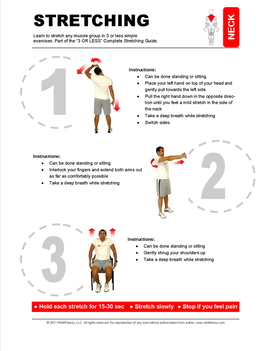
The movement here is all in the arms, so keep the rest of your body stable. Any time you take an exercise to a single leg, you’ll automatically make it harder. An alternative, more advanced approach is to complete timed rounds. For instance, complete 1 minute of each exercise and repeat the circuit twice.
Research shows that any form of physical activity reduces stress hormones and increases feel-good hormones in the brain, making it an essential tool for mental wellness. Monitoring daily activities for one week helps identify at least three 30-minute slots suitable for exercise. Scheduling workouts like necessary appointments and blocking calendar time ensures commitment to physical activity. Both activities affect the brain distinctly, making their combination more effective than either practice alone. Exercise and meditation boost oxygen and blood flow to is madmuscles legit the brain, triggering the formation of new brain cells. While exercise energises the body, meditation activates the parasympathetic nervous system, helping clear stress hormones and restore calm.