

Understanding Meta’s Suspected Automated Behavior What It Means for Users
June 3, 2026

Understanding Meta’s Suspected Automated Behavior: What It Means for Users
In today’s digital landscape, where social media platforms dominate communication, understanding the underlying mechanics of these platforms is crucial. Meta, the parent company of popular social media apps like Facebook and Instagram, frequently updates its algorithms to enhance user experience and security. Recently, the term “Meta Suspected Automated Behavior” has surfaced, raising questions about what it entails and how it affects users. This article aims to delve into this concept, providing clarity on its implications and offering guidance on how to proceed if you encounter such a situation.
What is Automated Behavior?
Automated behavior generally refers to actions performed by bots or software designed to mimic human interactions on social media platforms. These behaviors can range from automatically liking posts and following accounts to posting comments and sending messages. While automation can save time and enhance engagement, it also poses risks, which is where Meta’s monitoring system comes into play.
What Does ‘Suspected Automated Behavior’ Mean?
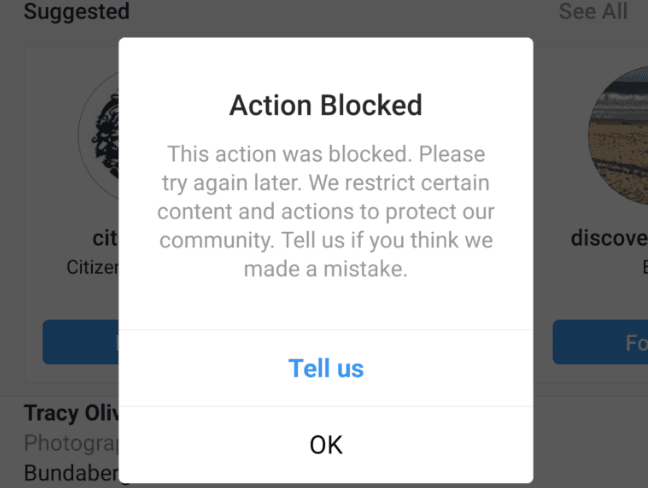
When a user’s account is flagged for “suspected automated behavior,” it indicates that Meta’s algorithm has detected patterns resembling automated interactions. This monitoring system uses complex algorithms to analyze user behavior and identify anomalies that deviate from typical usage patterns. For instance, if an account is engaging in excessive liking or following activities at an abnormal speed, the algorithm may mistakenly categorize it as automated.
The Implications for Users
The repercussions of being flagged for suspected automated behavior can range from receiving warnings to having your account suspended or banned. This can be particularly frustrating for users who are genuinely engaging with the platform. Here are some potential implications:
- Account Warnings: Users may receive notifications warning them about their activity, prompting them to modify their behavior.
- Restricted Features: In more severe cases, users may find certain features, such as posting or commenting, temporarily disabled.
- Account Suspension: The most significant consequence is the permanent suspension of accounts that repeatedly engage in behavior identified as automated.
Why Does Meta Flag Automated Behavior?
Meta’s primary goal in flagging suspected automated behavior is to maintain the integrity and authenticity of user interactions on their platforms. Automated interactions can lead to:
- Spam: Bots can flood feeds with irrelevant content, undermining the quality of user experiences.
- Fake Engagement: Automated likes and comments can skew engagement metrics, creating a false perception of popularity.
- Security Risks: Automated systems can be exploited for malicious purposes, including phishing scams and the spread of misinformation.
How to Avoid Being Flagged for Automated Behavior
If you’re concerned about being flagged for automated behavior, there are several strategies you can employ to stay in the good graces of Meta’s algorithms:
- Engage Naturally: Instead of relying on automation tools, engage with your audience organically. Take your time to like posts, comment thoughtfully, and follow accounts at a reasonable pace.
- Diversify Your Interactions: Mix up your activities. Share posts, stories, and reels while also engaging with others’ content to present a well-rounded profile.
- Limit Bulk Actions: Avoid liking or following a large number of accounts in a short period. Spread such activities out over a longer timeframe to mimic natural behavior.
- Review Third-Party Tools: If you’re using automation tools, ensure they comply with Meta’s terms of service. Some tools may inadvertently trigger algorithm flags.
- Monitor Your Account Health: Regularly check for any notifications or warnings from Meta regarding your account activity, and adjust your behavior accordingly.
What to Do if You’re Flagged
If your account is flagged for suspected automated behavior, it’s essential to take immediate action to rectify the situation:
- Review Notifications: Carefully read any notifications you receive from Meta. They typically provide guidelines on how to adjust your behavior.
- Modify Your Interactions: Change your engagement habits. Start interacting more naturally, focusing on genuine connections and interactions.
- Submit an Appeal: If you believe your account was flagged in error, utilize the appeal process provided by Meta to clarify your situation and request reinstatement.
Conclusion
As social media continues to evolve, understanding the mechanisms behind platform functionalities is vital for all users. The concept of Meta’s suspected automated behavior serves as a reminder of the delicate balance between user engagement and platform integrity. By adhering to best practices for authentic interactions and remaining aware of these algorithms, users can navigate their social media experience more safely. Always prioritize genuine engagement over automated interactions to foster a more enjoyable and less problematic online presence.
For more detailed information on this topic, you can visit the following link: Meta Suspected Automated Behavior… — What Does It Mean and What to Do? https://crazyfb.shop/en/page/meta-zapodozrila-avtomatizirovannoe-povedenie-v-instagram-chto-eto-i-kak-byt