

Exploring Free AI Nudify Transforming Images with AI Technology
August 19, 2026
The emergence of free ai nudify tools represents a fascinating intersection between art and technology. As artificial intelligence continues to evolve, so do its applications in various domains, including image editing and enhancement. In this article, we’ll explore the functionality, ethical considerations, and potential implications of using AI nudify tools.
With the increased accessibility of advanced image manipulation software powered by AI, users can now easily transform photographs, drawings, and other visuals. The idea behind AI nudify tools is simple: identifying key aspects of an image and altering them through AI algorithms. This capability has sparked both excitement and controversy as it raises questions surrounding artistic integrity, privacy, and consent.
How AI Nudify Tools Work
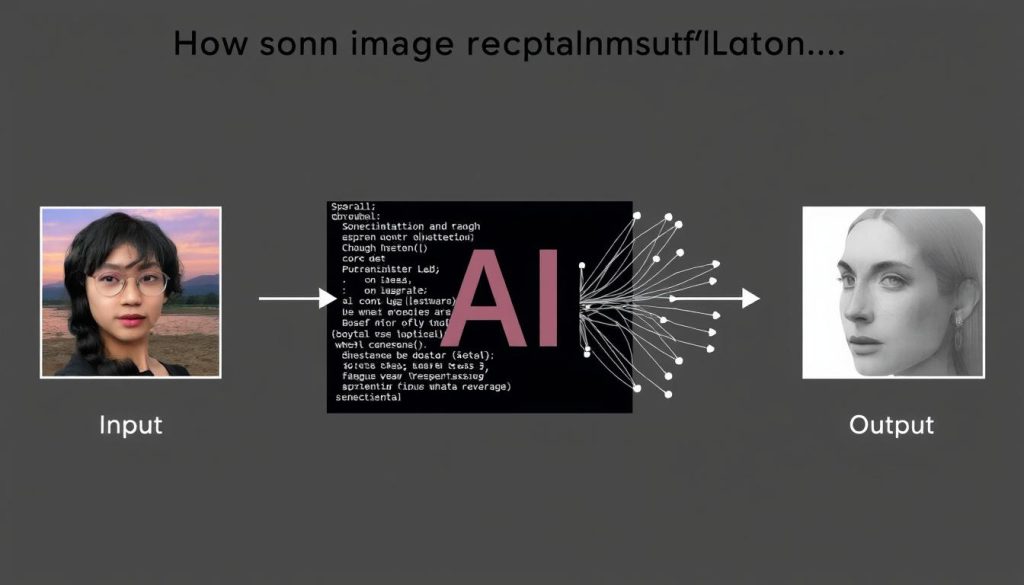
AI nudify tools leverage deep learning algorithms to analyze the components of an image. These algorithms are trained on vast datasets, allowing the AI to understand different styles, contexts, and subjects. When a user uploads an image, the AI examines the visual elements and applies its understanding to modify the image according to the user’s specifications.
The process usually involves several stages. Initially, the AI identifies the subject within the image, including facial features, body shapes, and other relevant details. Next, it processes the image to apply nudification effects. Lastly, the AI presents the altered image to the user, who can decide whether to save or further adjust the results. The speed and accuracy with which these tools operate are impressive, showcasing the advancements in AI technology.
Applications of AI Nudify Tools
The applications of free AI nudify tools are wide-ranging and can cater to various creative fields. Artists can use these tools to generate new forms of expression, allowing for unique creations that combine traditional artistry with modern technology. Fashion designers might experiment with different styles, visualizing how fabrics and designs look on different body types without the need for physical samples.
Moreover, photographers can utilize AI nudify tools to enhance their portfolios, enabling them to showcase their work wit

h a modern twist. These tools also benefit those in graphic design, marketing, and advertising, where attention-grabbing visuals are crucial for engaging audiences.
Ethical Considerations
Despite the benefits of AI nudify tools, several ethical concerns arise regarding their use. One primary issue involves the potential for misuse. Instances of unauthorized image modifications can infringe on personal rights and compromise the privacy of individuals. For example, using nudification technology on photos without the subject’s consent can lead to serious privacy violations and emotional distress.
Additionally, there is the risk of reinforcing unrealistic body standards through manipulated images. AI nudify tools can perpetuate an idealized vision of beauty, contributing to negative body image and self-esteem issues, particularly among vulnerable populations such as teenagers. It’s essential for users to approach these tools responsibly, considering the potential impact on themselves and others.
Legal Implications
As AI nudify technology progresses, the legal landscape surrounding its use is also evolving. Copyright and intellectual property laws become increasingly complex as part of the creative work is generated or altered by algorithms. The responsibility for any ensuing content, ethical implications, or legal ramifications often remains ambiguous.
Users must navigate these complexities and ensure compliance with local laws regarding privacy and image use. Understanding the potential liabilities can help mitigate risks when using AI nudify tools.
Future of AI Nudify Technologies
As technology continues to advance, the future of AI nudify tools looks promising. Ongoing improvements in AI algorithms will likely yield even more realistic and customizable outcomes. As the tools become more sophisticated, they may also offer users increased control over the editing process, allowing for not just nudification but a wide array of transformations and enhancements.
Moreover, as awareness of ethical considerations grows, it is likely that users will demand greater transparency from AI developers regarding consent, data usage, and the potential impact of their tools. This demand could lead to the establishment of best practices and guidelines that prioritize the ethical use of AI nudify technology in artistic and commercial applications.
Conclusion
The introduction of free ai nudify tools opens up new avenues for creativity and expression, making advanced image manipulation accessible to a broader audience. However, the ethical, legal, and societal implications cannot be overlooked. As users and developers engage with this transformative technology, it is vital to strike a balance between artistic innovation and responsible usage.