

Mastering Crude Oil Trading Strategies and Tips
November 23, 2025
How to Trade Crude Oil: A Comprehensive Guide
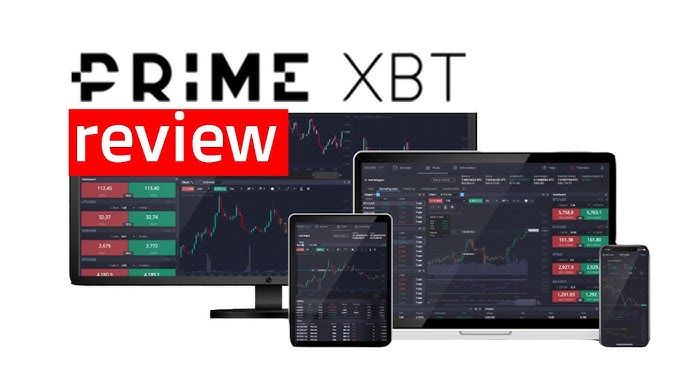
Trading crude oil can be a lucrative but complex endeavor. Understanding the intricacies of the oil market is essential for both novice and experienced traders alike. In this guide, we will discuss the fundamentals of crude oil trading, the factors influencing oil prices, and effective trading strategies. Additionally, we will explore the importance of how to trade crude oil at primexbt leverage on PrimeXBT in enhancing your trading experience.
Understanding Crude Oil
Crude oil is one of the most traded commodities in the world. Its price is influenced by various factors including geopolitical events, supply and demand dynamics, and global economic conditions. As a trader, it’s important to familiarize yourself with the two main types of crude oil—Brent and West Texas Intermediate (WTI)—as they have different characteristics and market influences.
Factors Influencing Crude Oil Prices
Several factors can affect the price of crude oil, and being aware of these can help you make informed trading decisions:
- Supply and Demand: The most fundamental factor affecting oil prices is the balance of supply and demand. When demand exceeds supply, prices tend to rise, and vice versa.
- Geopolitical Issues: Conflicts in oil-producing regions, sanctions on countries, or political instability can disrupt supply and lead to price fluctuations.
- Economic Indicators: Economic growth or contraction in major economies affects oil demand. For instance, strong growth in the U.S. can signal increased demand for energy.
- OPEC Decisions: The Organization of the Petroleum Exporting Countries (OPEC) plays a significant role in controlling oil supply. Production cuts or increases can have substantial impacts on prices.
- Technological Advances: Improvements in extraction and production technology can increase supply and lower prices. For example, the rise of shale oil production in the U.S. has changed the dynamics of the global oil market.
Choosing a Platform for Trading Crude Oil
Selecting a reliable trading platform is crucial for successful crude oil trading. Look for platforms that offer competitive spreads, robust trading tools, and a user-friendly interface. Additionally, consider whether the platform provides access to leverage, which can boost your trading potential. One such platform is PrimeXBT, which allows traders to use leverage for their trades, enhancing their potential profits.
Crude Oil Trading Strategies
There are several strategies you can employ when trading crude oil:
1. Technical Analysis
Many traders rely on technical analysis to make trading decisions. By analyzing charts and indicators, traders can identify trends and potential entry and exit points. Common tools include moving averages, MACD, and RSI. It’s essential to practice and develop your technical analysis skills.
2. Fundamental Analysis
Fundamental analysis involves studying economic indicators, geopolitical events, and industry news to forecast oil price movements. Keeping an economic calendar and following relevant news sources can provide valuable insights into market trends.
3. Scalping
Scalping is a short-term trading strategy where traders seek to profit from small price changes. This strategy requires quick decision-making and often involves high-frequency trading. Traders using this strategy need to be aware of transaction costs as they can eat into profits.
4. Swing Trading
<p swing trading aims to capture short to medium-term gains in a stock (or any financial instrument). Traders will often hold positions for several days or weeks to benefit from expected price movements. This strategy requires a good understanding of market trends and can be less stressful than day trading.
Risk Management in Crude Oil Trading
Effective risk management is vital when trading crude oil. Here are some key practices:
- Setting Stop-Loss Orders: Implementing stop-loss orders can help limit potential losses on your trades.
- Position Sizing: Determine the right position size based on your trading account size and risk tolerance. Avoid risking too much on a single trade.
- Diversification: Consider diversifying your trading portfolio to spread risk across different assets and reduce exposure to any single market.
Understanding Leverage
Leverage allows traders to control a larger position with a relatively small amount of capital. While it can amplify profits, it also increases the risk of losses. Therefore, it’s essential to understand how leverage works and to use it responsibly. Leverage can be especially beneficial in the volatile oil market, as it provides traders with the ability to capitalize on price movements without requiring large capital outlays.
Conclusion
Trading crude oil can be a rewarding experience if approached with the right knowledge and strategies. By understanding the factors that influence oil prices, selecting the appropriate trading platform, and employing effective trading strategies and risk management practices, you can enhance your chances of success in this dynamic market. Remember to stay informed, adapt to changing market conditions, and continually refine your trading skills.