

Understanding the psychological triggers that drive gambling behavior in casinos
January 24, 2026
Understanding the psychological triggers that drive gambling behavior in casinos
The allure of risk and reward
The thrill of gambling often stems from the psychological allure of risk and reward. Individuals are drawn to the possibility of winning large sums of money, which can create a sense of excitement and anticipation. This anticipation activates the brain’s reward system, releasing dopamine, a neurotransmitter associated with pleasure. As players engage in gambling, the potential for a substantial win becomes a compelling motivator, driving them to participate in games of chance despite the odds. Such motivations can sometimes lead people to explore online resources like best aussie online casino, enhancing their understanding of the financial landscape.

Moreover, the sensation of risk can be exhilarating. For many, placing bets can create a sense of control over an uncertain outcome. This illusion of control is powerful, as it gives players a feeling of empowerment even in a game governed by chance. The combination of risk-taking and the psychological highs associated with winning can lead to repeated gambling behavior, making it a significant factor in casino environments.
The social dynamics of gambling
Gambling is not just an individual activity; it often has a social component that can enhance the overall experience. Casinos are designed to facilitate interaction among players, creating an atmosphere of camaraderie and competition. The presence of other players can intensify emotions, making wins feel more rewarding and losses less painful. This social aspect can act as a psychological trigger, encouraging people to gamble more to maintain social connections and enjoy shared experiences.
Additionally, social pressures can influence gambling behavior. Observing others win can evoke feelings of excitement and motivation to join in, leading to increased gambling. Conversely, the fear of missing out (FOMO) can compel individuals to participate, as they do not want to be left out of potentially lucrative opportunities. This complex interplay of social dynamics plays a crucial role in shaping gambling habits in casinos.
The impact of environment on gambling behavior
The physical environment of a casino is meticulously crafted to enhance the gambling experience. Bright lights, enticing sounds, and alluring décor are all designed to stimulate excitement and distract from the outside world. This sensory overload can create a sense of euphoria, encouraging players to lose track of time and money. The layout of casinos, often designed without clear exits, contributes to this phenomenon, making it easier for individuals to stay longer and gamble more.
Moreover, the use of free drinks and complimentary services can further lower inhibitions, encouraging players to continue gambling. As they become more engrossed in the experience, their ability to make rational decisions diminishes, leading to increased spending. This carefully curated environment is a significant psychological trigger that keeps players engaged and often leads to repeated visits.
The role of cognitive biases
Cognitive biases play a vital role in influencing gambling behavior. One common bias is the illusion of control, where individuals believe they can influence the outcome of a random event through their actions or strategies. This belief can lead to increased betting and continued play, as players become convinced that they can beat the odds. Cognitive dissonance, another bias, can cause individuals to rationalize their losses, convincing themselves that they are close to winning or that their luck will change soon.
These biases contribute to a cycle of gambling behavior that can be difficult to break. As players experience wins and losses, their beliefs about luck and skill can distort their perception of the game. This distortion can lead to chasing losses or increasing bets in the hope of recouping funds, often resulting in greater losses and reinforcing the gambling habit.
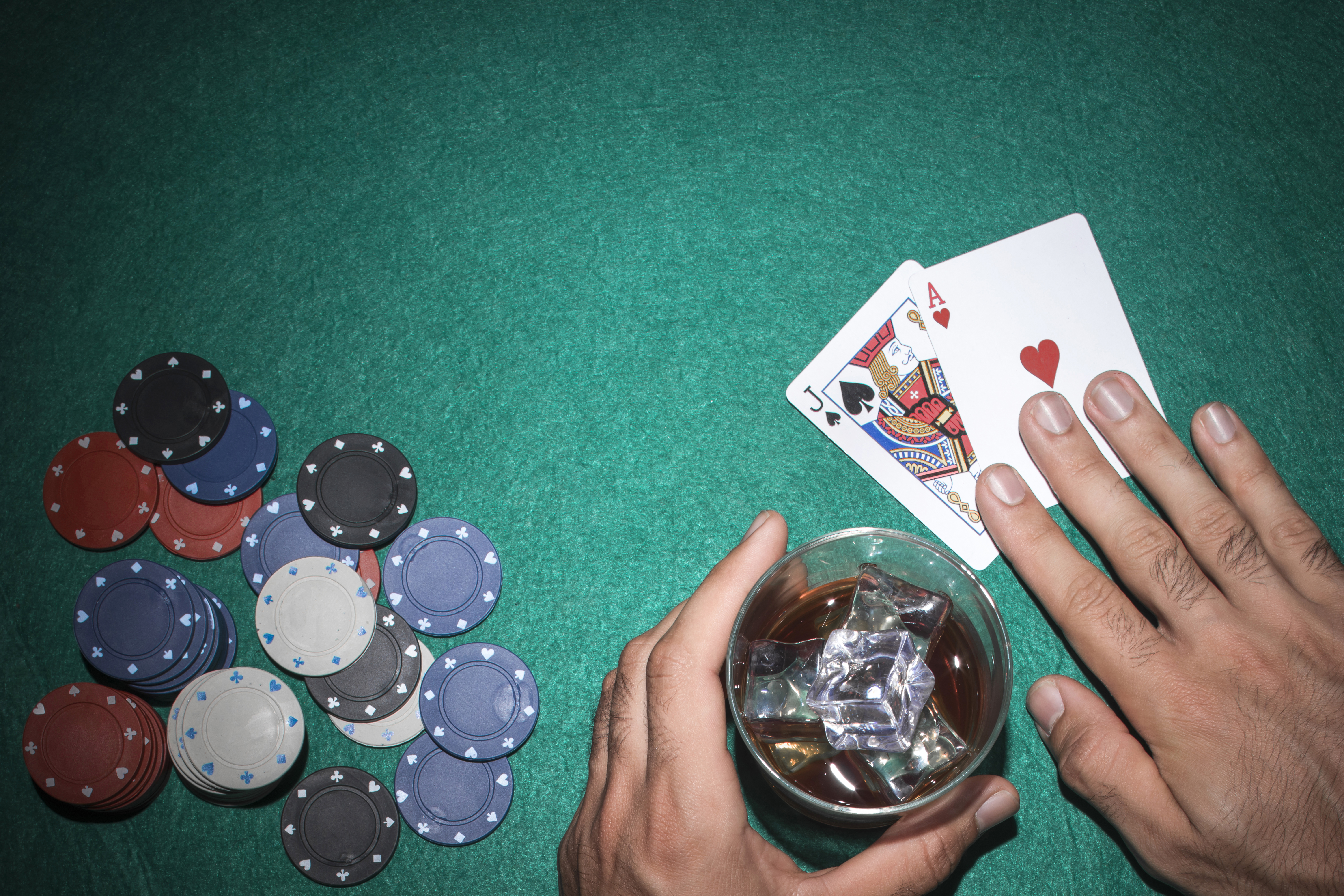
Insights into gambling behavior and resources
Understanding the psychological triggers that drive gambling behavior is essential for both players and stakeholders in the casino industry. Awareness of these triggers can help individuals make informed decisions about their gambling activities and promote responsible gambling practices. Resources that focus on education and support can empower players to recognize unhealthy behaviors and encourage healthier choices.
Organizations and platforms dedicated to providing insights into gambling behavior can play a crucial role in enhancing transparency in the industry. These resources can clarify the psychological aspects of gambling and assist individuals in making better choices, ultimately fostering a healthier relationship with gambling activities. With the right tools and knowledge, players can navigate the complexities of gambling more effectively, ensuring their experiences remain enjoyable and safe.